
Good Friday with Our Divine Story
As the most solemn day in the Christian year, Good Friday commemorates the unjust trial and horrific crucifixion of Jesus.
Over the past 2 millennia, Christendom has sensationalized the gruesome and sacrificial nature of Jesus’ execution. Because that is my heritage, I’ve found it difficult to know where to start this reflection. Cinematic images swirl in my mind: the most vivid are the “stations of the cross” along the Via Dolorosa (Way of Suffering) that enact unimaginable tragedy and horror.
However…
as we have tried to do every day in this Holy Week, for the moment, let’s try to look through the events of Jesus’ life to the Divine Story that includes all of us… everyone… everywhere.
For many people, Good Friday and Holy Saturday are typically held together without distinguishing them very much. But on this Good Friday, I invite us to center on the reality of “dying”, the process of things passing away. In tomorrow’s reflection on Holy Saturday, I will invite us to focus on the tomb and being in the reality of death.
Good Friday is definitely the most violent of religious holidays I know of. If it weren’t for the fact that Sunday’s resurrection closely follows, it would be one of the most nihilistic and depressing of religious, high-holy days as well.
But we know how the story “ends” (and begins anew!).
We experience the story of crucifixion from the “other side” of the resurrection.
That perspective offers us a hope-filled vantage point: the passing of Jesus’ life is always held securely in the Divine Life.
And most surprising,
even when Jesus lost faith and felt utterly abandoned –
“My God, my God, why have you forsaken me?”
he was absolutely not abandoned!
As his flesh and his faith passed away,
he never ceased
(we could say) living and dying and having his being in God.
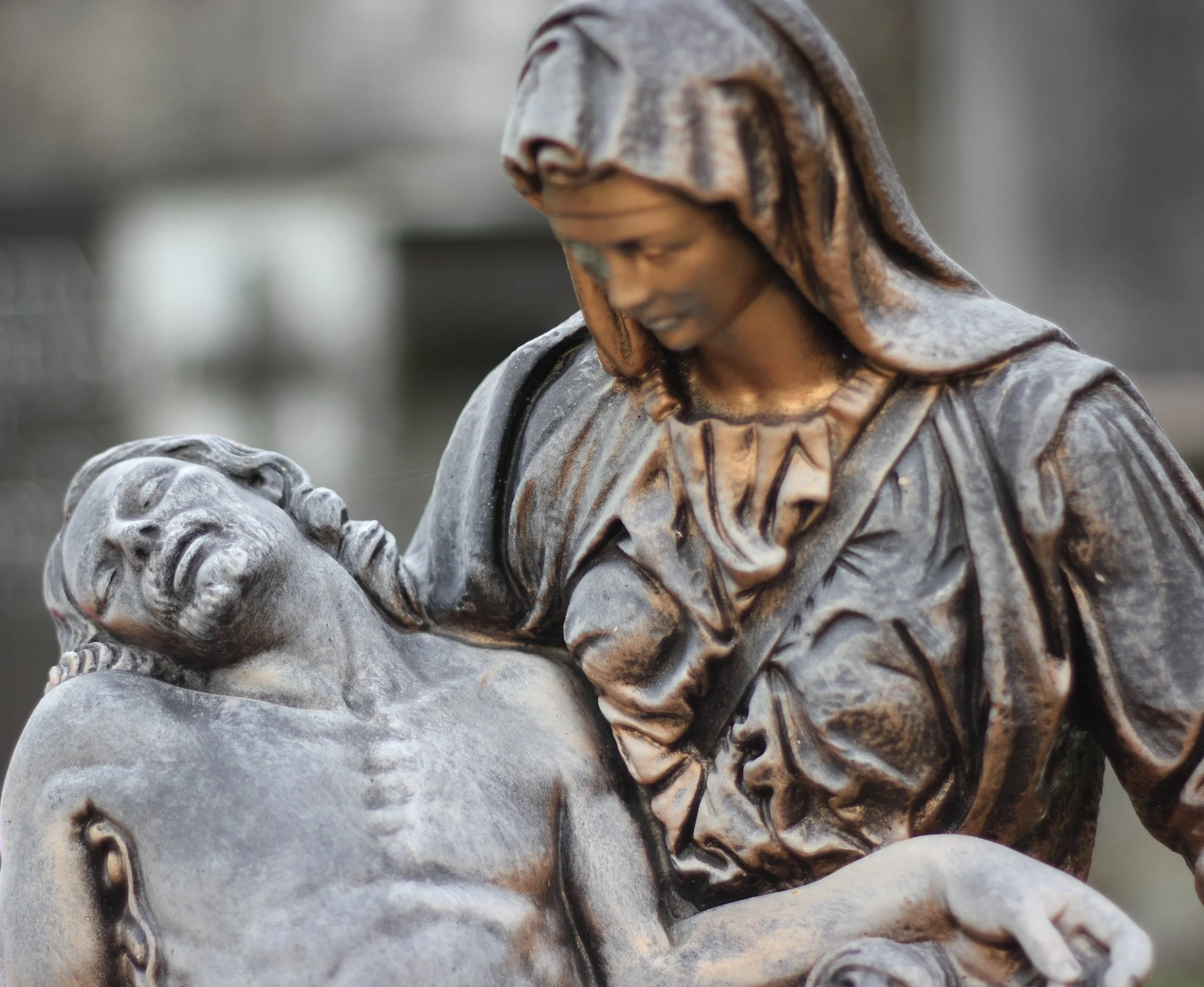
Jesus’ resurrection resonates with the great proclamation of Romans 8[1] : Nothing separated Jesus from God, the ontological Source of his existence - even when his mortal existence was extinguished.
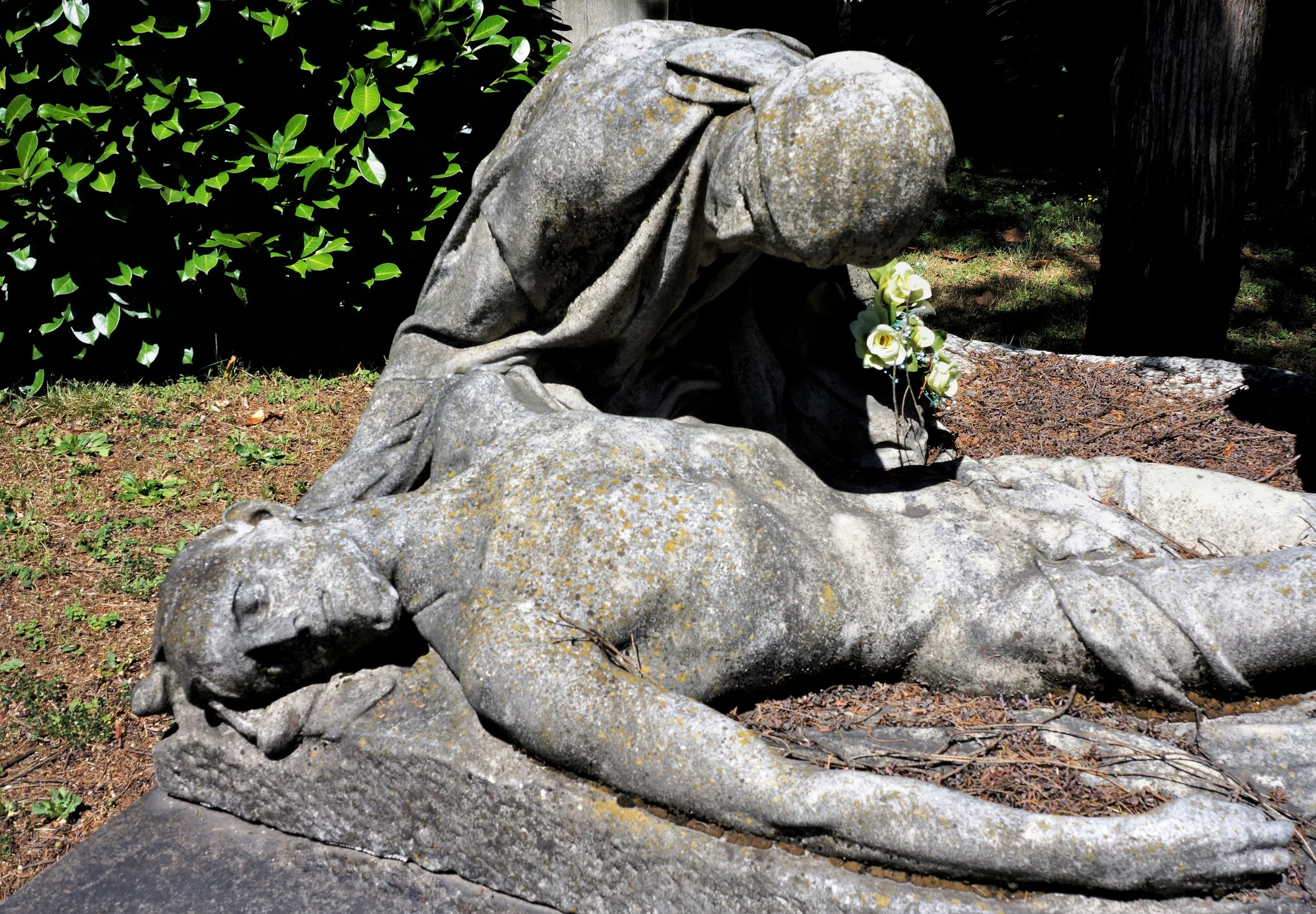
Jesus’ relation with God did not depend ultimately on what he was able to do or what he believed. Jesus’ union with God was not severed by his loss of faith.
Neither is ours. Our story – like Jesus’ – begins and ends in the Divine Story.
Dying as an Existential Universal
Without diminishing the significance of Jesus’ crucifixion, I invite us to acknowledge that mortality and the dying process is universal. Everything in the universe that exists dies: it ceases to be what it once was. Dying can be quick or slow, painful or gentle, but all created things pass away.
Closer to “home”, this is true, not only of our human bodies, but of everything else that constitutes our lives. Relationships die, careers end, ways of thinking pass away, our hopes and fears dissipate….
But existential passing away is not necessarily or ultimately “bad”. Just like trees let go of their seeds to be buried in the cold earth, and after a season are raised in new life, the existential passing away of some things may allow new life forms to emerge.

The trick is to learn how to die well…
so that new life can emerge from the ashes.
On his deathbed, Socrates instructed his disciples to practice dying as the highest form of wisdom. Taking that to heart, author Stephen Levine (A Year to Live) dedicated an entire year to practicing dying, as if that year were his last. He found that the practice of letting go of things to which he grasped not only was liberating, it helped him discern the fundamental truth of his existence and live more intentionally in it. He found that the practice of dwelling more deeply in Truth required letting go of lesser things.
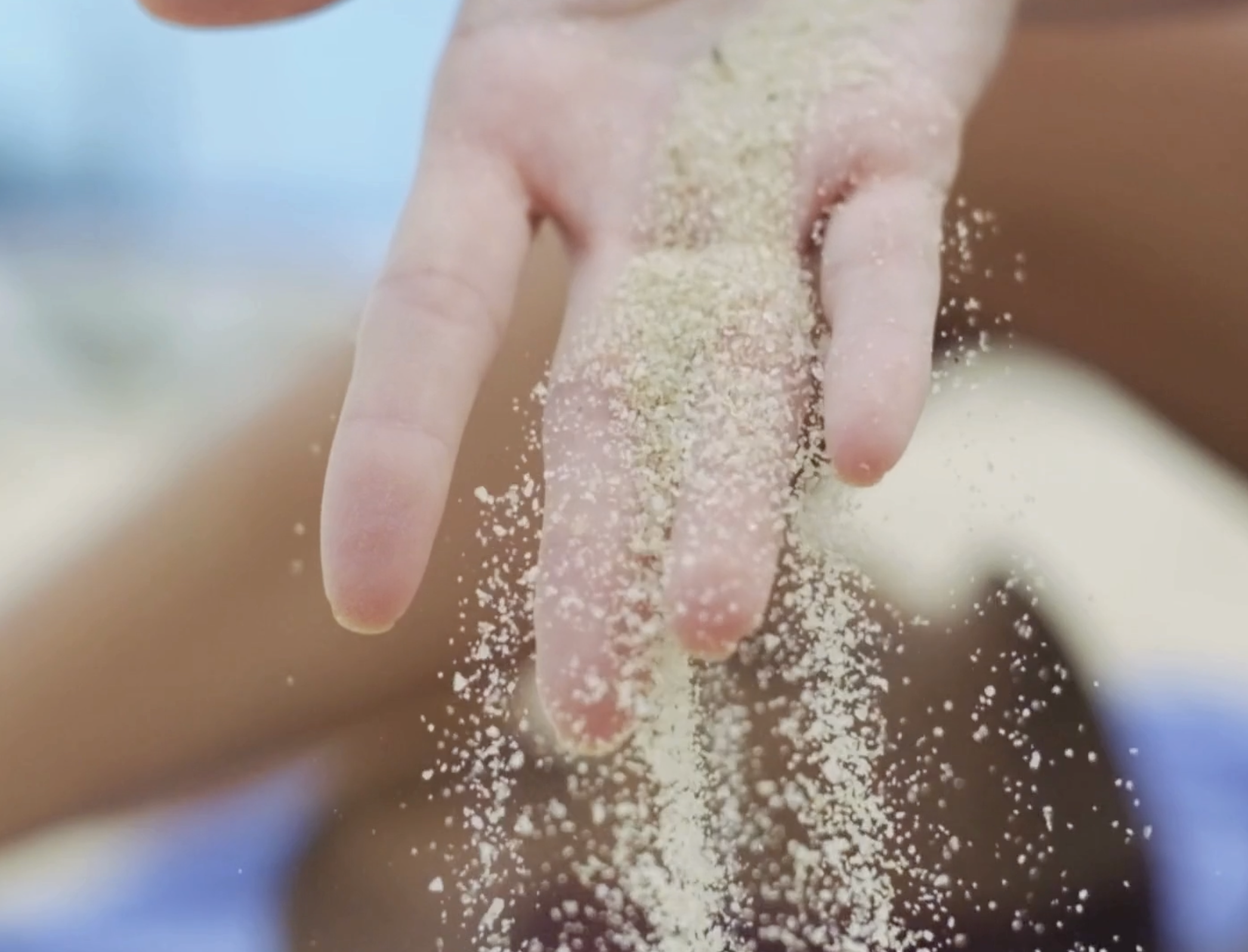
We aspire to do likewise. It just takes a little practice….

For the purpose of letting go and dwelling deeper in the Divine Life, Beth and I invite you to practice the examen and the meditation below. Regularly. Continually.
Holy Week Examen and Meditation
To accompany our journey of Passion this Holy Week, you are encouraged to practice this reflective and meditative discipline regularly. The questions are modeled after the Ignatian examen, and are oriented toward an evening setting. Take a couple minutes to ponder and write your reflections on these questions in a journal or tablet. No need to over-think; all reflections are welcome. Then when ready, start the recorded meditation.
What lesser story did I experience today?
How did I experience being centered and grounded in God today?
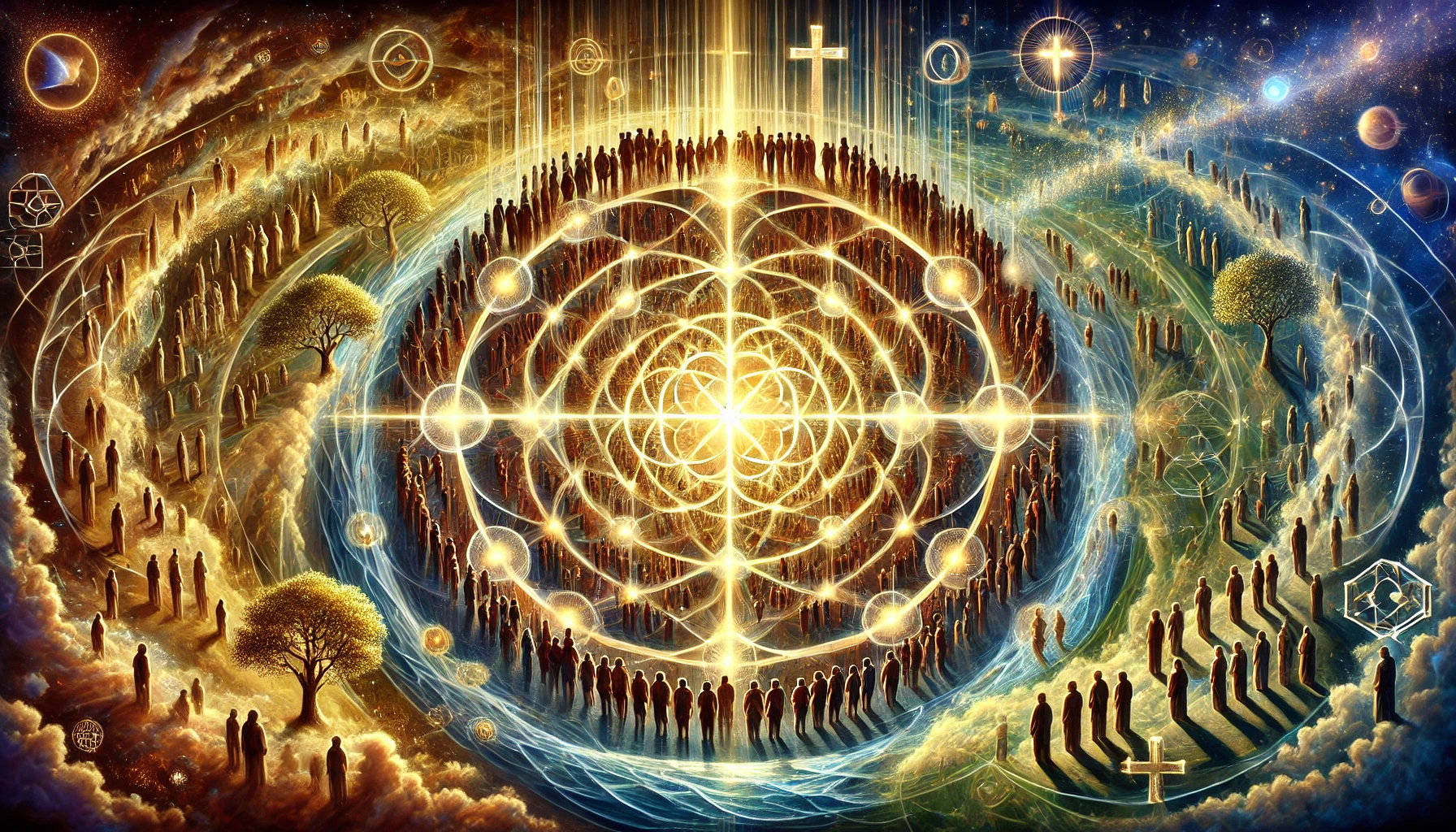
This is the Christ Logos, the universal pattern of God’s creativity still coming into being, every and always.
And it is our divine WeCreating invitation.
To sing the song of love in the world, composed from nothing less than the Living Origin of eternal wholeness and union in God.
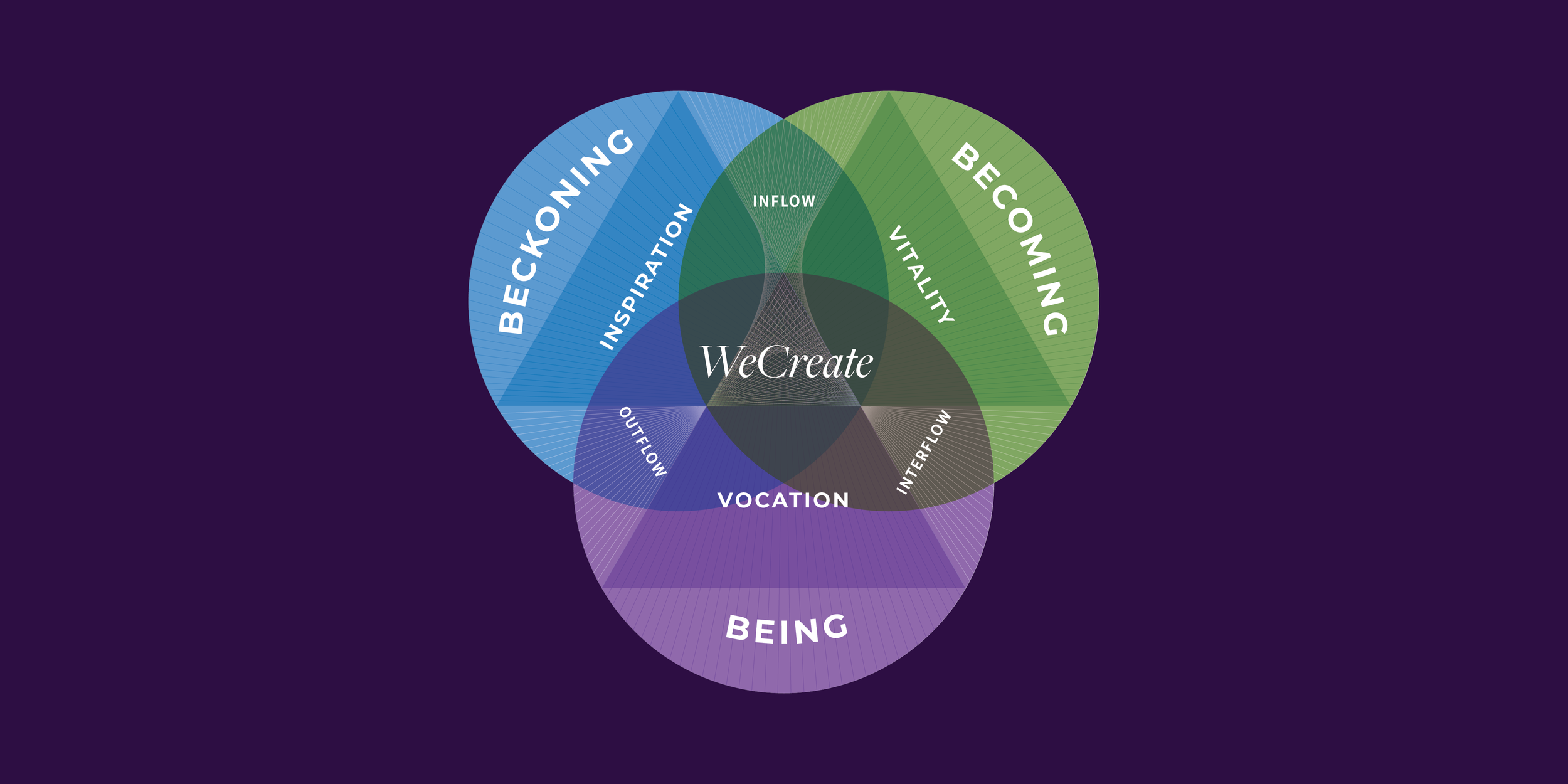
Statement of WeCreating Authorship
This article was WeCreated with authoring by Robert Martin, with editing support by Luke Healy and Beth Biery.
All of the wisdom, creativity, and spiritual emergence in ICN comes from the communal field of wisdom and spirit speaking in and through the “We.”
All text in this article is human-authored without the use of AI, according to our AI policy: 0 out of 10
All Images are open-source, used with permission, or created by ICN with the use of AI